23 Jun 2026
Tracing User Pathways Through Athletic Resource Networks: How Interaction Logs Shape Media Prioritization
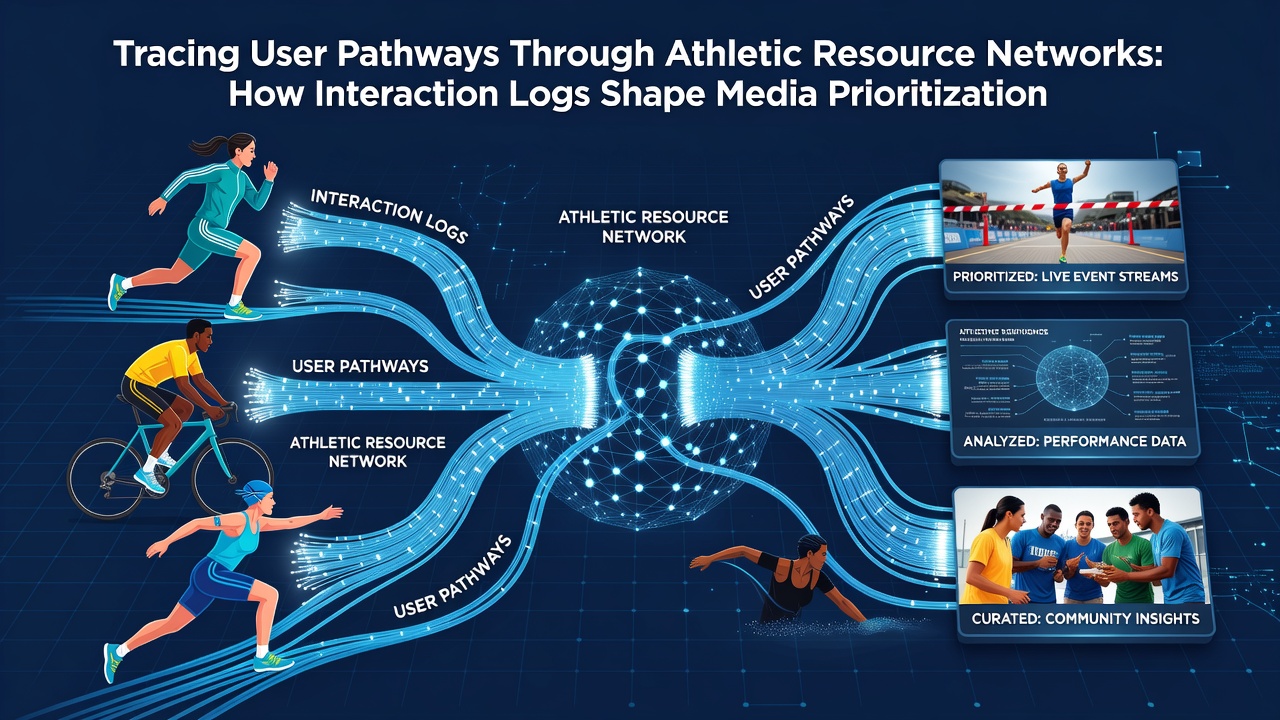
Interaction logs on athletic resource networks capture sequences of user actions including search entries, page transitions, comment submissions, and media selections, and these records feed directly into systems that adjust the visibility of videos, images, and reviews across platform interfaces. Platform operators compile these logs into structured datasets that algorithms then process to reorder homepage placements, video playlists, and image galleries on a continuous basis. Observers note that this process creates feedback loops where repeated user behaviors reinforce certain content categories while diminishing exposure for others that receive less engagement.
Components of Interaction Log Analysis
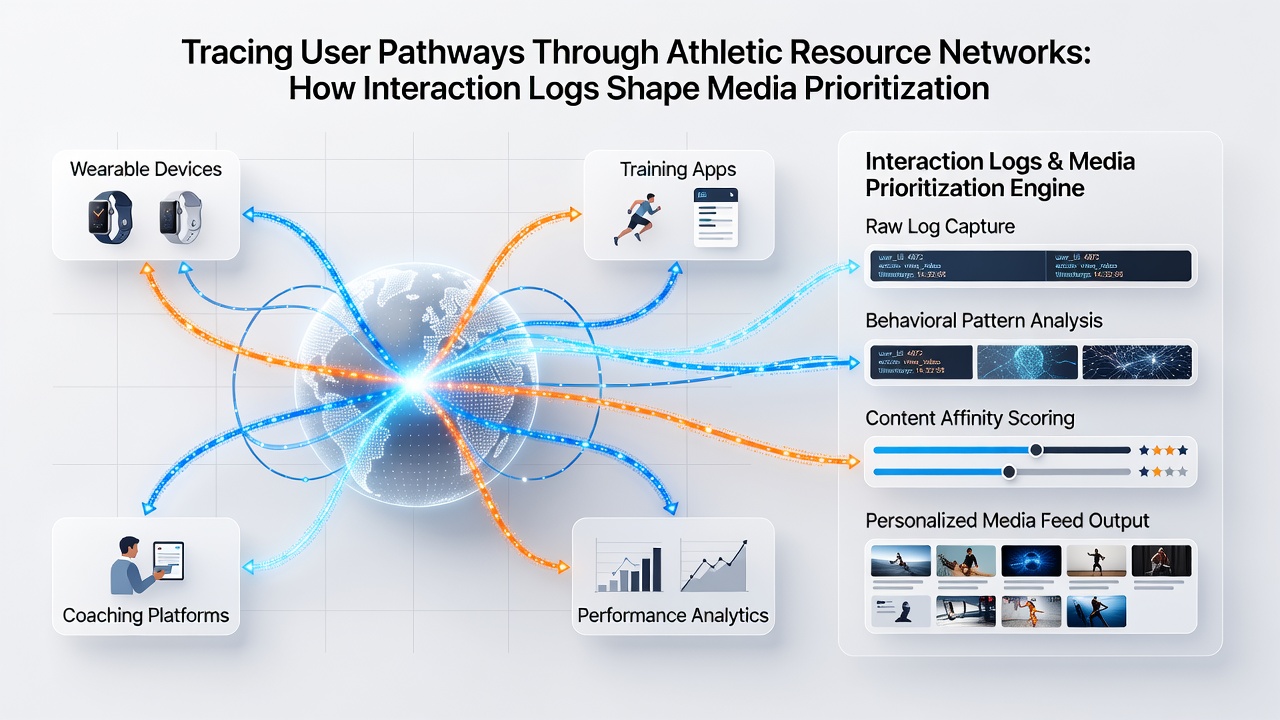
Search queries form the initial layer of these logs, and they record exact terms users enter when seeking specific athletic content such as match highlights or equipment evaluations. Navigation trails extend this data by documenting the order in which visitors move between review pages, visual archives, and related media sections, which reveals patterns in how audiences explore interconnected resources. Comment submissions add another dimension because they include textual feedback that systems parse for sentiment indicators and topic references, allowing prioritization engines to elevate materials that align with expressed interests. Researchers have found that when these elements combine, platforms can identify clusters of activity that signal rising demand for particular sports categories or formats.
Systems integrate this information through rule-based and machine-learning models that assign priority scores to individual media items. A video clip that appears frequently in search results for a given event receives elevated placement, while an image gallery that users bypass during typical navigation sessions drops lower in rotation. In June 2026 platform reports documented shifts in media arrangements that followed spikes in user queries about emerging athletic events, and these adjustments occurred within hours of log aggregation rather than through manual editorial decisions.
Pathway Mapping and Content Elevation
Pathway mapping techniques trace complete visitor journeys from initial entry points through multiple content layers, and they highlight which sequences lead to extended viewing or repeated returns. Platforms apply these maps to identify bottlenecks where users abandon sessions, then they adjust surrounding media suggestions to retain attention. Data indicates that sequences involving comment interaction followed by media access correlate with higher retention rates, prompting algorithms to surface similar comment threads alongside prioritized visuals. This mapping occurs at scale because logs aggregate across thousands of sessions daily, producing statistical profiles that guide real-time reordering without requiring individual user identification.
Role of Community Input Layers
Community notes attached to videos and images contribute additional signals because they reference specific moments or comparisons that other users might seek. When multiple notes cluster around a single athletic sequence, the associated media item gains weight in prioritization calculations. External validation from sources such as European Commission digital platform analyses confirms that user-generated annotations influence recommendation outputs across media networks. Platforms combine these annotations with search frequency metrics to decide which items appear in featured sections versus archival storage.
Geographic Variations in Log Processing
Processing approaches differ across regions because regulatory frameworks shape how platforms handle and apply interaction data. Australian regulatory reviews have examined how media platforms use navigation records to determine content prominence, and findings from the Australian Communications and Media Authority outline requirements for transparency in algorithmic decisions. In contrast, North American platforms often emphasize aggregate statistical modeling that focuses on cohort-level patterns rather than individual pathways, which produces prioritization outcomes based on broader demographic trends. These regional differences affect the speed and granularity with which media arrangements update in response to log inputs.
Integration With Visual and Review Repositories
Visual repositories and review collections operate as interconnected nodes within the larger network, and interaction logs determine how content from one repository influences presentation in another. A surge in searches for a particular athlete's performance can trigger elevation of related images in galleries while simultaneously boosting associated review visibility. Systems track cross-repository transitions to detect when users move from textual evaluations to video playback, and they use those transitions to refine suggestions that appear during subsequent visits. Figures reveal that such cross-linkage increases overall session duration when prioritization aligns with documented pathway preferences.
Conclusion
Interaction logs collected across athletic resource networks supply the raw material for ongoing adjustments to media prioritization, and the resulting arrangements reflect aggregated patterns of search activity, navigation sequences, and community contributions. Platforms continue to refine the models that translate these logs into placement decisions, and regional regulatory contexts shape the transparency and scope of those processes. The outcome appears in homepage compositions, playlist orders, and gallery rotations that evolve according to documented user pathways rather than static editorial schedules.