28 Jul 2026
Sports Portal Blueprints: Linking Information Pages to Visual and Video Elements
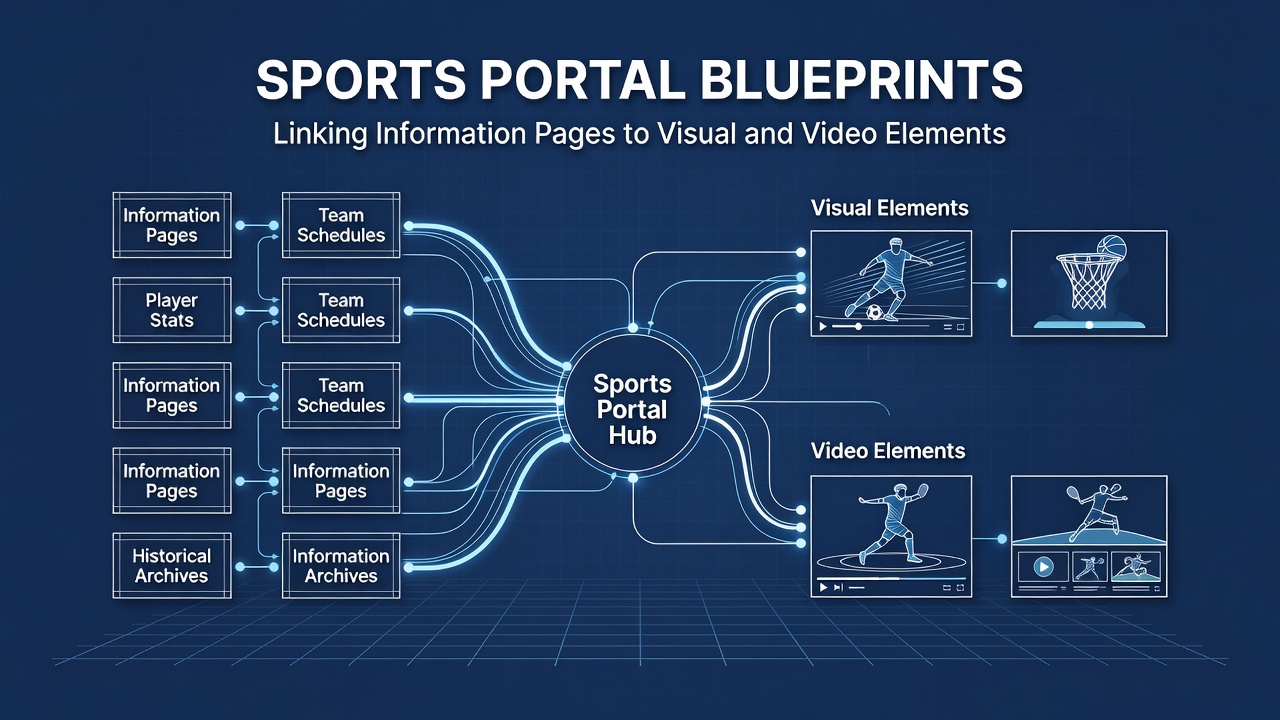 Sports portals operate through structured blueprints that connect textual information pages directly to visual archives and video libraries, creating seamless navigation pathways for users seeking comprehensive athletic coverage. These frameworks rely on metadata tagging systems that assign unique identifiers to each element, allowing information about matches, athlete profiles, and gear evaluations to surface alongside corresponding images and clips without manual intervention. Data from platform analytics shows that such linkages improve content discoverability by associating keywords from reviews with timestamps in videos and coordinates in high-resolution photos. Platform architects design these connections using content management systems that embed relational databases at their core, where every article entry references specific media assets through standardized protocols. This setup ensures that a page detailing a championship event automatically pulls relevant footage from video repositories while displaying gallery selections that match the described moments. Researchers at institutions tracking digital sports consumption note that these integrations have expanded significantly since early 2020s implementations, with updates continuing through July 2026 to incorporate higher-resolution formats and adaptive streaming capabilities.
Core Structural Elements in Portal Design
Information pages form the foundational layer in these blueprints, housing detailed narratives on competitions and equipment performance that draw from verified sources and statistical records. Visual components integrate through embedded galleries that activate based on page context, displaying sequences captured during key plays or training sessions. Video elements attach via playlist modules that synchronize with article sections, enabling viewers to access highlight reels or full-match recordings as extensions of the written analysis.
Navigation menus reflect these interconnections by presenting category links that branch into subpages enriched with mixed media types. Site maps outline how search functions route queries toward clustered results, grouping textual reviews with their visual and video counterparts for unified presentation. Observers note that effective blueprints minimize loading delays by pre-caching associated assets on content delivery networks distributed across regions.
Metadata and Tagging Mechanisms
Metadata frameworks assign attributes such as event dates, participant names, and equipment models to both text and media files, establishing direct associations that algorithms use to generate dynamic recommendations. Tagging protocols extend to video chapters, marking specific sequences that correspond to passages in linked articles, while image libraries receive descriptors that align with review keywords for precise retrieval. Studies from the Australian Institute of Sport indicate that refined tagging practices correlate with higher engagement rates on multi-format sports sites, as users encounter cohesive presentations rather than isolated content silos.
Implementation often involves automated tools that scan uploaded media for recognizable features before matching them to existing information entries. This process reduces manual curation demands and maintains consistency across expanding archives, particularly as new events generate fresh visuals and recordings each season. Platforms handling international competitions apply region-specific tags to accommodate varying terminology preferences while preserving universal linkage structures.
Integration with Search and Discovery Features
Search interfaces within these portals leverage the same blueprint connections to deliver results that bundle information pages with supporting visuals and videos in single view formats. Query processing engines parse user inputs against tagged datasets, surfacing combinations that present textual context alongside playable media without requiring separate navigation steps. Figures from digital media reports reveal that such bundled outputs increase session durations on sports platforms compared to text-only or media-only displays.
Discovery pathways extend through related content modules positioned at page ends, where algorithms suggest additional articles enriched by image sets and video supplements drawn from the same event clusters. These suggestions follow patterns established in the underlying database relations, ensuring thematic continuity while introducing fresh angles on topics like strategy breakdowns or performance metrics.

Technical Scaling and Maintenance Practices
Scaling these blueprints requires modular architectures that accommodate growing volumes of media assets without disrupting existing linkages between pages and their visual or video attachments. Regular audits verify tag accuracy and connection integrity, addressing discrepancies that arise from format migrations or source updates. Industry analyses from the Sports Tech Research Network highlight how proactive maintenance sustains performance across desktop and mobile interfaces alike.
Security layers protect these interconnections by restricting unauthorized alterations to media references on information pages, while access logs track usage patterns that inform future refinements. Updates in July 2026 introduced enhanced encryption for video streaming tied to review content, aligning with broader standards in digital content distribution.
Conclusion
Blueprints for sports portals establish systematic connections that bind information pages to visual galleries and video libraries through metadata, relational databases, and integrated search tools. These structures support efficient content delivery while adapting to technological advancements observed in ongoing platform developments. External references such as reports from Pew Research Center on media consumption patterns and data from Australian Sports Commission on digital engagement provide context for how such linkages operate within broader media ecosystems. The result remains a cohesive framework where textual details and multimedia elements reinforce one another across user journeys.