25 Aug 2026
Search Behaviors and Discussion Threads Redefining Media Arrangements Across Athletic Review Platforms
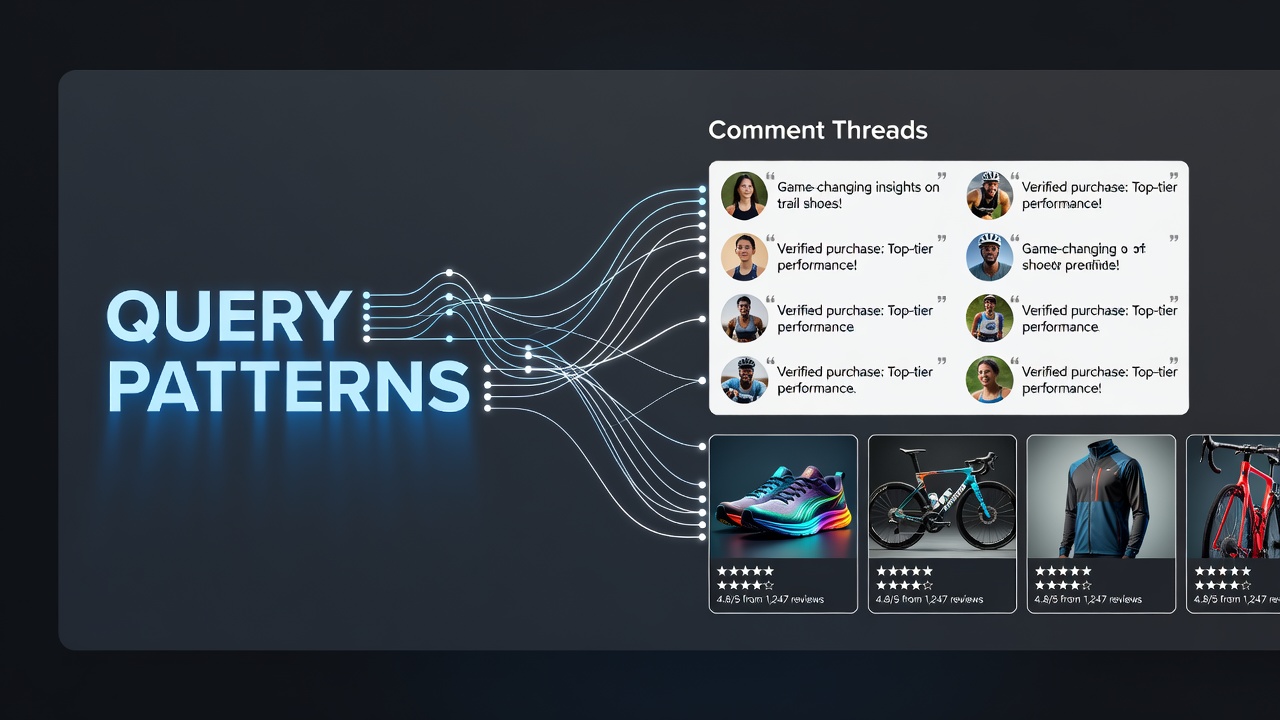
Search patterns combined with comment activity have started directing how athletic media appears on review platforms, and this influence shows up in the way homepage sections, video playlists, and image collections get organized. Platforms track frequent queries about specific matches or gear while monitoring threaded discussions that highlight standout moments, then adjust layouts accordingly. Data from August 2026 indicates rising volumes of searches for regional league highlights, prompting sites to elevate related clips within hours of peak activity.
Mechanisms Behind Query Influence on Content Placement
Algorithms process incoming searches for terms such as player statistics or event recaps, then cross-reference those terms against existing media libraries to surface matching videos or photos in prominent spots. When queries cluster around a particular athlete or tournament, the system repositions thumbnails and embeds higher on category pages. Observers note that this process repeats daily, creating fluid arrangements that shift as new search clusters emerge throughout the week.
Review platforms also log geographic variations in query language, so users searching in different regions see tailored media blocks that reflect local interests while maintaining overall site consistency. August 2026 records show spikes in queries tied to international events, which led platforms to reorganize navigation menus around those topics for several consecutive days.
Role of Comment Threads in Layout Adjustments
Comment sections function as real-time indicators of viewer interest, with threaded replies often pinpointing particular images or clips that resonate most. Moderation teams and automated systems scan these exchanges for repeated references to specific content, then feed that information back into ranking models. When multiple threads converge on one highlight reel, the platform moves the associated media into featured carousels or dedicated gallery rows.
Those who monitor platform metrics have documented cases where sustained discussion around a single match moment caused an image series to migrate from an archive page to the main landing area within twenty-four hours. This feedback loop operates continuously, allowing layouts to reflect collective attention rather than static editorial calendars.
Integration of Multiple Data Streams
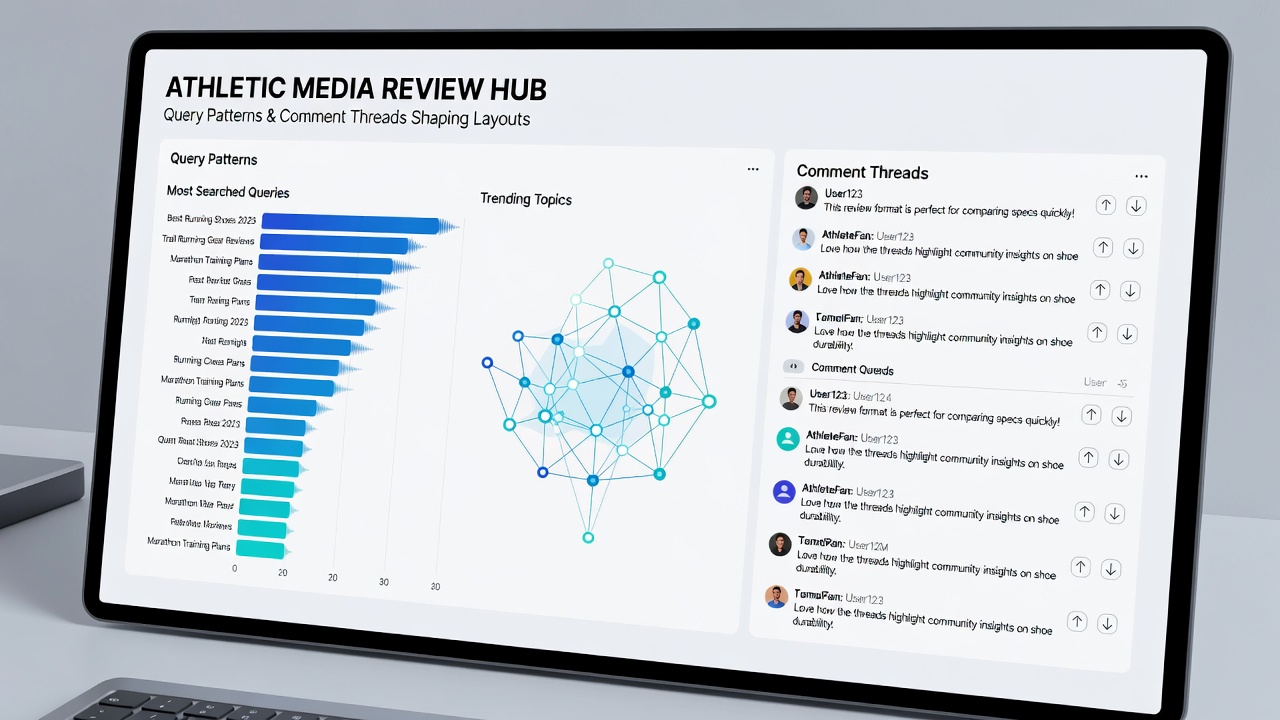
Platforms combine search logs, comment volume, and dwell-time measurements into unified dashboards that guide daily layout decisions. Analysts review these combined streams to identify emerging patterns, such as a sudden increase in queries about training equipment paired with positive comments on related demonstration videos. Once identified, the relevant media receives elevated placement across both desktop and mobile views.
Research from Statistics Canada on digital content consumption shows similar patterns in how user interactions steer media visibility, while a separate analysis published through the European Commission highlights comparable algorithmic responses across sports-focused sites. These external findings align with observed platform behavior where query-comment convergence accelerates content promotion.
Observed Patterns During Peak Periods
During August 2026, platforms recorded notable shifts when major tournaments overlapped with off-season gear reviews. Searches for equipment comparisons rose alongside threaded conversations praising certain video demonstrations, resulting in those clips occupying larger homepage real estate for extended periods. Navigation paths shortened as frequently discussed items moved closer to entry points.
Similar adjustments occurred on review pages themselves, where comment density around a particular athlete profile triggered automatic inclusion of linked image galleries. The result was a tighter connection between discussion activity and visual presentation across the entire site structure.
Conclusion
Query patterns and comment threads continue to supply the primary signals that platforms use when arranging athletic media. These inputs create responsive layouts that adapt to real-time user activity without requiring manual intervention at every step. As data collection methods refine further, the connection between searches, discussions, and final media placement is expected to grow more precise, maintaining the same core process across different review environments.