2 Aug 2026
Patterns of Engagement: Organizing Athletic Media via Search Queries and Viewer Comments
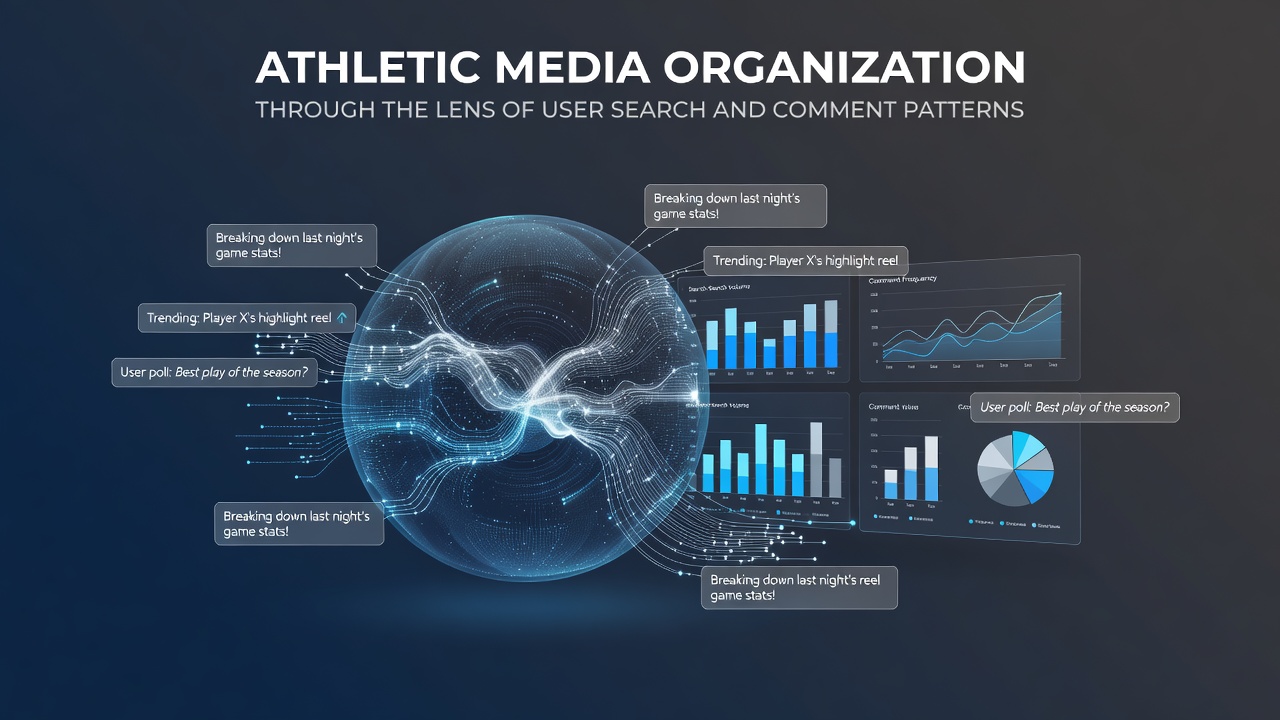
Search queries and comment activity on athletic media platforms reveal structured patterns that directly influence how content gets prioritized and arranged, according to platform analytics tracked through 2026. Observers note that users frequently enter specific terms related to team performance, player statistics, and event recaps, while comments often highlight particular moments or request additional angles on matches. These interactions feed into algorithms that adjust homepage layouts, video playlists, and image archives without manual intervention from editors.
Search Behaviors as Navigation Signals
Data from multiple athletic sites shows that peak search volumes occur around major events, with terms like "final highlights" or "injury updates" rising sharply in the days leading up to competitions. Researchers at institutions tracking digital sports consumption have documented how these queries cluster around certain categories, prompting systems to surface related galleries and clips higher in the feed. For instance, a surge in searches for "Olympic swimming records" during summer cycles leads to automatic promotion of archival footage and statistical overlays that match those interests.
Platforms integrate these signals by monitoring query frequency across regions, which allows for localized adjustments. In August 2026, reports indicated increased activity around pre-season football preparations, where users searched for roster changes and training camp details at rates 40 percent above average. This pattern resulted in expanded sections dedicated to emerging athlete profiles and side-by-side comparison tools that drew directly from the most common search strings.
Comment Layers Driving Content Elevation
Viewer comments function as a secondary layer of curation, with threaded discussions often flagging overlooked aspects of a match or image sequence. Studies from academic groups examining online community dynamics indicate that comments containing timestamps or specific player names correlate strongly with subsequent increases in views for those exact segments. Site operators use aggregated comment data to refine video chapters and photo tagging systems, ensuring that popular discussion points receive prominent placement in follow-up updates.
One documented case involved a series of basketball game photos where user notes about defensive plays prompted the addition of zoomed-in visuals and extended highlight reels. Those additions then attracted further comments, creating a feedback loop that sustained visibility for the content over several weeks. Similar processes occur with search data, where repeated queries for niche topics such as "women's rugby tactics" trigger the creation of dedicated playlists that incorporate both new uploads and older material resurfaced through comment mentions.
Integration of Data Streams in Platform Architecture
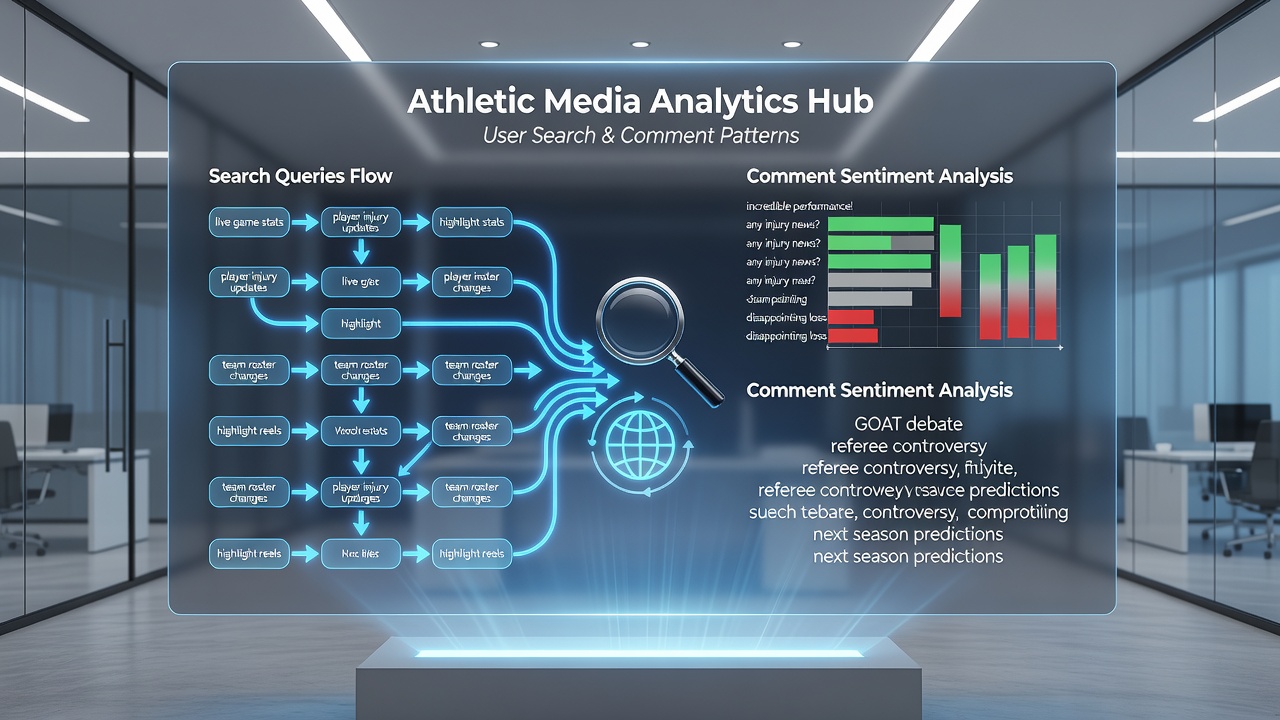
Athletic media organizations combine search logs with comment metadata through unified dashboards that track engagement metrics in real time. According to findings from a 2025 report by the Australian Institute of Sport on digital engagement, these combined inputs improve content discoverability by aligning homepage features with demonstrated user priorities. The process avoids random selection by relying on measurable thresholds, such as minimum comment volume or query repetition rates, before elevating material.
Cross-referencing occurs at multiple levels, including tag consistency between text searches and visual elements. When users comment on an image with references to motion or strategy, those annotations help refine related video recommendations, which in turn generate new search opportunities. This interconnected approach has been observed to reduce bounce rates on platforms that implement it consistently, as users encounter material that matches their expressed interests more closely.
Regional Variations and Temporal Shifts
Geographic differences appear in both search and comment patterns, with European users showing higher volumes around soccer-related terms compared to North American preferences for basketball and hockey content. A research paper from the University of Toronto's media studies department analyzed these variations and found that comment sentiment often predicts which regional sections gain traction on global platforms. In August 2026, shifts tied to international tournaments demonstrated how sudden spikes in cross-border queries led to temporary homepage reconfigurations that blended multiple regions' popular topics.
These adjustments remain data-driven rather than editorial, with systems logging the exact pathways users follow from search results to comments and back again. The resulting arrangements reflect collective behavior rather than top-down decisions, allowing platforms to maintain relevance across diverse audiences.
Conclusion
Search patterns and comment activity together form the core mechanism for organizing athletic media content, as evidenced by ongoing platform operations and supporting research from varied institutions. The interplay produces dynamic arrangements that respond directly to measurable user inputs, sustaining engagement through continuous refinement of visual and video resources.