17 May 2026
Mapping Athletic Ecosystems: How Query Trails, Comment Layers, and Visual Repositories Interlock to Refine Platform Navigation
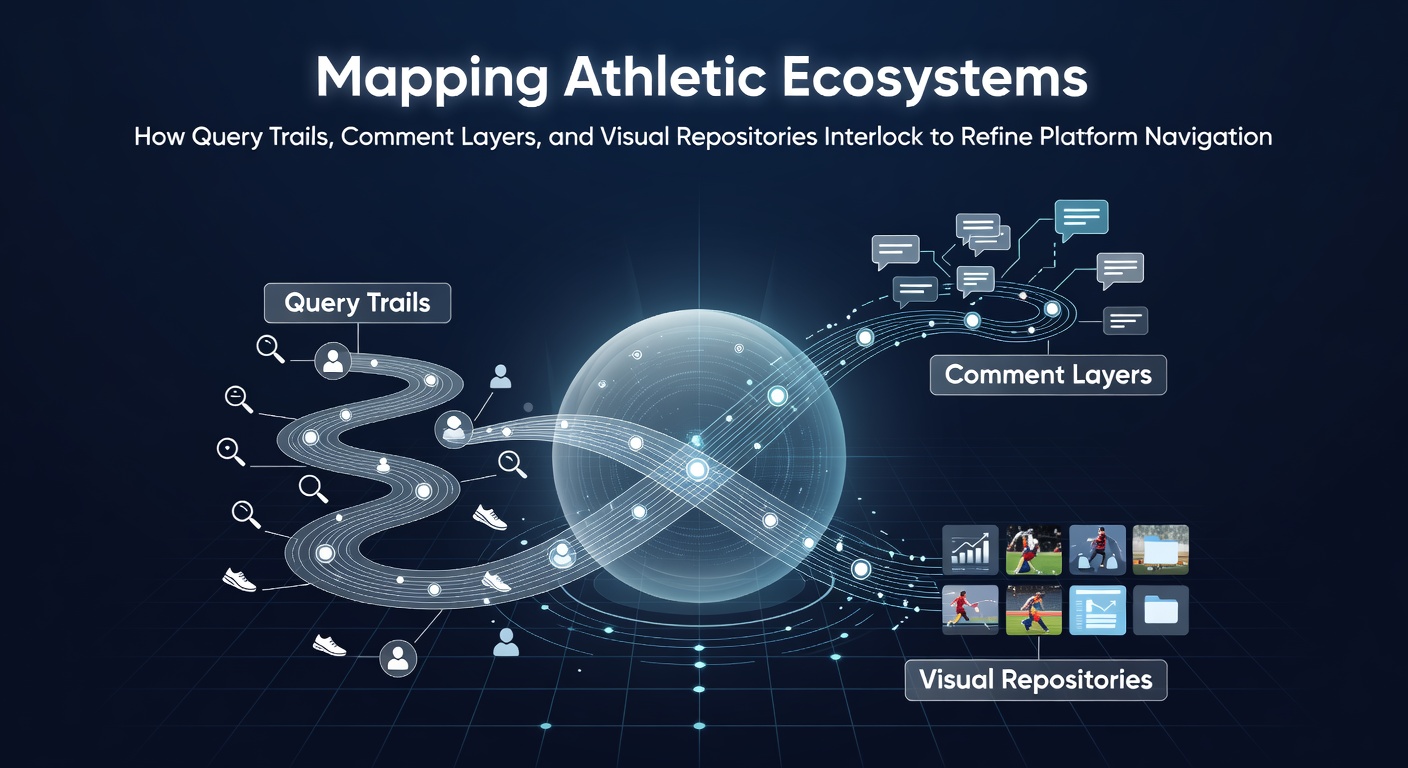 Platform navigation in athletic content spaces depends on layered interactions among search histories, user annotations, and stored media collections. Query trails capture sequences of user searches that trace preferences for particular sports events, athlete profiles, or equipment details. These trails feed directly into recommendation engines that adjust pathways through video libraries and photo archives. Comment layers overlay discussions on individual items, creating additional signals that highlight trending topics or clarify ambiguous search results. Visual repositories hold the actual images and clips that users access once navigation routes are established. Researchers at institutions across different regions track how these components influence one another. Data from the Australian Institute of Sport shows that platforms integrating search logs with comment activity experience measurable shifts in how users locate specific match highlights. Observers note that when comment density increases around certain visuals, the system reroutes subsequent queries toward related content clusters rather than isolated results. This interlocking process reduces dead ends in exploration paths while expanding exposure to adjacent athletic topics.
Tracing Query Trails Across Athletic Content
Query trails form the foundational data layer in these ecosystems. Each search entry records keywords, timestamps, and follow-up actions that together map user intent over time. Platforms process these sequences to identify recurring patterns such as spikes in interest around seasonal tournaments or emerging athletes. When combined with activity from other users, the trails generate dynamic maps that prioritize content appearing in multiple search journeys. In practice, a trail starting with a general term like "marathon training" often branches into more targeted follow-ups once initial results appear. Systems detect these branches and surface additional visuals or comment threads that align with the evolving path. Studies conducted by the University of Melbourne indicate that platforms employing such trail analysis record higher retention rates during extended browsing sessions. The process operates continuously, updating maps as new searches accumulate across global user bases.Comment Layers as Contextual Connectors
Comment layers supply interpretive context that pure search data lacks. Users add notes, questions, and reactions directly beneath videos or images, generating threads that reveal collective interpretations of athletic moments. These layers surface ambiguities in query results and suggest refinements that later searches can adopt. When platforms aggregate comment activity, they identify clusters of discussion that correlate with particular visual items or search themes. The interlocking effect becomes evident when comment volume influences trail prioritization. High-engagement threads attached to certain clips prompt the system to elevate similar visuals in future query outcomes. Observers have documented this pattern on multiple athletic platforms where comment density serves as a proxy for content relevance. In May 2026 several major sites implemented updates that weigh recent comment activity more heavily within their navigation algorithms, resulting in faster convergence toward popular or debated athletic content.