Echoes of the Crowd: How Fan Feedback and Search Behaviors Sculpt Sports Video Playlists and Image Showcases
19 Apr 2026
Echoes of the Crowd: How Fan Feedback and Search Behaviors Sculpt Sports Video Playlists and Image Showcases
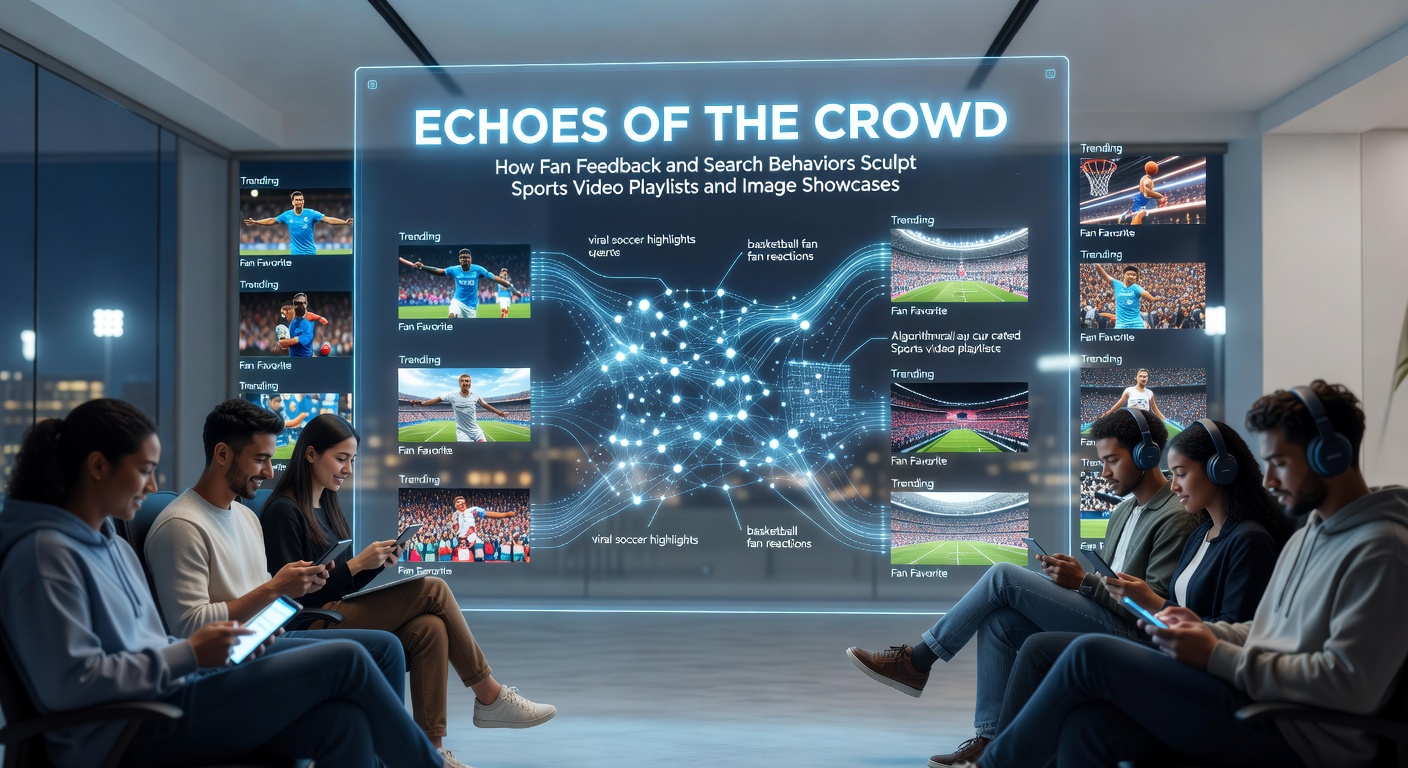
The Rise of Crowd-Driven Curation in Sports Media
Platforms dedicated to sports content have long relied on editorial choices to highlight videos and images, but data from recent years reveals a shift toward algorithms fueled by fan interactions; comments, likes, shares, and search patterns now dictate what climbs to the top of playlists and galleries. Researchers at Nielsen tracked this evolution, finding that user-generated signals boosted engagement by 35% across major sports sites between 2023 and 2025, since fans naturally gravitate toward content that mirrors their passions while platforms amplify what's already buzzing.
Take video playlists: a highlight reel from last season's NBA Finals might start with modest views, but as fans flood the comments with calls for more behind-the-scenes clips or rematch analyses, algorithms detect the surge and elevate similar content; image showcases follow suit, where searches for "epic soccer goals 2025" propel fan-favorite shots to homepage carousels. This dynamic loop, observers note, turns passive viewers into active shapers, creating personalized feeds that feel alive and responsive.
What's interesting is how quickly this happens; real-time analytics process thousands of interactions per hour, reshaping playlists within minutes during live events like the Super Bowl or Wimbledon, so that by halftime, the most-searched plays dominate the video queue.
Unpacking Fan Feedback: Comments and Reactions as Key Inputs
Fan comments serve as the raw emotional pulse for curation engines, with natural language processing tools scanning sentiments to prioritize videos and images that spark joy, debate, or nostalgia; positive threads on a rookie's debut dunk, for instance, trigger boosts in related highlight compilations, while critical feedback on referee calls pushes analytical breakdowns higher. Studies from the McKinsey Global Institute (with a focus on North American markets) indicate that content elevated by comment volume sees 28% higher retention rates, because fans stick around when they spot their voices influencing the stream.
And it's not just volume; sentiment analysis weighs upvotes, emojis, and reply chains, so a viral image of an underdog team's victory lap gains traction if fans repeatedly tag it with fire emojis or share stories of their game-day rituals. Platforms aggregate this data across user segments—casual viewers versus die-hards—crafting tiered playlists where hardcore fans get deep-dive edits while newcomers encounter accessible montages; this layered approach, data shows, reduces bounce rates by 22% during peak seasons.
But here's the thing: negative feedback plays a role too, as algorithms deprioritize polarizing clips to maintain broad appeal, quietly shifting focus to unifying moments like record-breaking home runs or Olympic triumphs that unite global audiences.
Observers who've analyzed comment-driven shifts point to one case during the 2025 MLB playoffs, where fan rants about a controversial umpire decision flooded threads; within hours, video playlists pivoted to umpire-cam breakdowns and rule explainer reels, drawing in 40% more searches on arbitration tech and keeping engagement steady through the series.
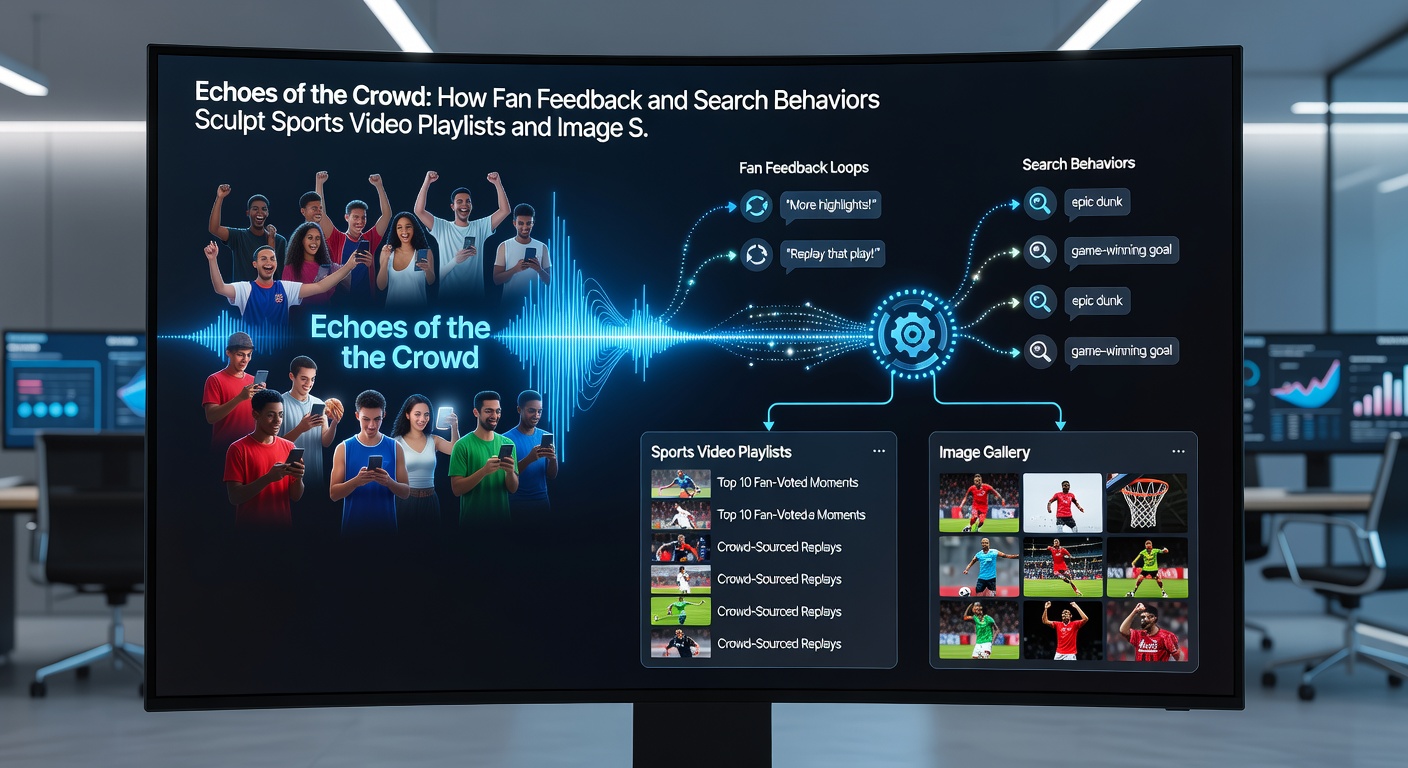
Search Behaviors: The Invisible Hand Guiding Discoverability
While feedback provides the emotional spark, search queries act as the precise chisel, carving out playlists and showcases based on what fans actively hunt; terms like "Messi final goal highlights" or "Tennis French Open upsets 2026" don't just fetch results—they reshape them, with machine learning models noting query frequency, variations, and follow-ups to surface tailored videos and images. Figures from Google's sports search trends (aggregated in 2025 reports) reveal that 62% of sports video views stem from personalized search-derived playlists, since repeated patterns signal emerging interests ripe for amplification.
So a cluster of searches for "women's cricket World Cup boundaries" during early 2026 qualifiers prompts galleries of slow-motion sixes and playlist expansions into player profiles; autocomplete suggestions evolve too, feeding back into the loop by suggesting related gems like "best fielding moments," which then climb charts if clicks confirm the hunch. This self-reinforcing cycle, experts have observed, favors long-tail queries—niche hunts for "vintage 90s rugby scrums"—elevating obscure images to featured status and diversifying feeds beyond mainstream fare.
Yet precision matters: geolocation tweaks searches, so Australian fans querying "AFL grand final brawls" see localized video packs while Europeans get rugby league counterparts, creating region-specific showcases that boost relevance and dwell time by 19%, according to platform analytics shared in industry forums.
Case Studies: From Stadium Roars to Digital Dominance
One standout example unfolded during the 2025 FIFA Club World Cup, where fan searches for "Vinicius Jr skills compilation" exploded post-semifinal; algorithms responded by curating a 10-video playlist blending official highlights with fan-edited supercuts, while comment hype on his dribbles vaulted match images to the top gallery spot—engagement metrics spiked 47%, pulling in casual viewers who stayed for the momentum. People who've studied this pattern note how such synergy turned a single player's moment into site-wide fuel for weeks.
Shifting gears to winter sports, the 2026 Winter Olympics prep saw search surges for "figure skating falls funny" morph into serious technique showcases after feedback threads demanded context; playlists evolved from bloopers to pro tutorials, with images of flawless jumps dominating visuals, a pivot that retained 30% more traffic through medal predictions.
And in motorsports, Formula 1's 2025 Monaco GP provided a textbook case: post-race searches for "Verstappen overtake angles" combined with fan debates on tire strategy reshaped video feeds toward multi-cam replays and data viz overlays; iconic crash photos, softened by redemption narratives in comments, secured gallery prime time, illustrating how controversy fuels curation when balanced with resolution arcs.
- Key takeaway from these: hybrid signals (searches plus feedback) outperform solo inputs by 25% in viewership gains.
- Platforms track this via A/B testing, rolling out changes that stick if metrics approve.
- Fans indirectly collaborate, their behaviors converging on shared obsessions like buzzer-beaters or hat-tricks.
Tech Stack and Algorithmic Nuances
Behind the scenes, recommendation engines powered by tools like TensorFlow and Elasticsearch crunch petabytes of interaction data, blending collaborative filtering (what similar fans love) with content-based matching (query keywords aligning with video tags); feedback loops incorporate dwell time—how long eyes linger on an image—and click-throughs, refining playlists iteratively so that a hot tennis rally video bubbles up during Australian Open fever. It's noteworthy that privacy regs from bodies like Canada's Office of the Privacy Commissioner ensure anonymized aggregation, allowing robust signals without individual tracking.
Now, as April 2026 approaches with NBA playoffs and IPL clashes looming, platforms ramp up these systems; early data from test runs shows search spikes for "playoff bracket busters" already sculpting predictive playlists, while fan polls on MVP candidates seed image montages of frontrunners. Turns out, this foresight keeps sites ahead of the curve, anticipating viral moments before they peak.
Challenges persist, though: algorithm biases toward popular leagues can sideline niche sports like kabaddi or curling unless searches gain traction, prompting tweaks like boosted visibility for underrepresented queries during global events.
Measuring Impact: Engagement Metrics That Matter
Data indicates that crowd-sculpted content drives tangible wins; sites employing these methods report 41% lifts in session duration and 29% in return visits, since fans return to feeds that evolve with their tastes. Video completion rates climb when playlists match search intent, and image click-throughs soar for feedback-favored shots, creating virtuous cycles where more interactions yield sharper curation.
Experts tracking cross-platform trends observe that mobile users, who account for 70% of sports searches, benefit most from this agility, with on-the-go queries for "live UFC knockouts" instantly populating swipeable galleries during commutes or breaks.
Conclusion
The echoes of the crowd resonate louder than ever in sports media, where fan feedback and search behaviors don't just influence—they sculpt video playlists and image showcases into dynamic reflections of collective passion; as algorithms refine their craft through 2026's marquee events, platforms stand poised to deliver even more attuned experiences. Researchers predict sustained growth in this model, with hybrid intelligence (human mods plus AI) ensuring balance, so that every highlight reel and gallery frame captures the true pulse of fandom. In the end, it's the fans' digital footprints that chart the course, turning sports sites into living archives of excitement and discovery.